Is your Malibu home worth more on the sand or in the canyons? If you are weighing where value shows up fastest, you are not alone. Pricing here hinges on views, beach access, microclimate, and risk, and those factors play out differently on the coast compared to the inland ridges. In this guide, you will learn a clear way to compare oceanfront and canyon homes, how buyers think, and what steps help you price with confidence. Let’s dive in.
Malibu submarkets in focus
Malibu’s housing market has distinct niches. Direct oceanfront includes beachfront and bluff-top properties with immediate water exposure. Canyon homes sit inland on ridges and valley floors, sometimes with ocean peeks but often focused on land, privacy, and sun. Each niche values a different mix of views, access, microclimate, and risk.
What drives oceanfront value
View corridors and quality
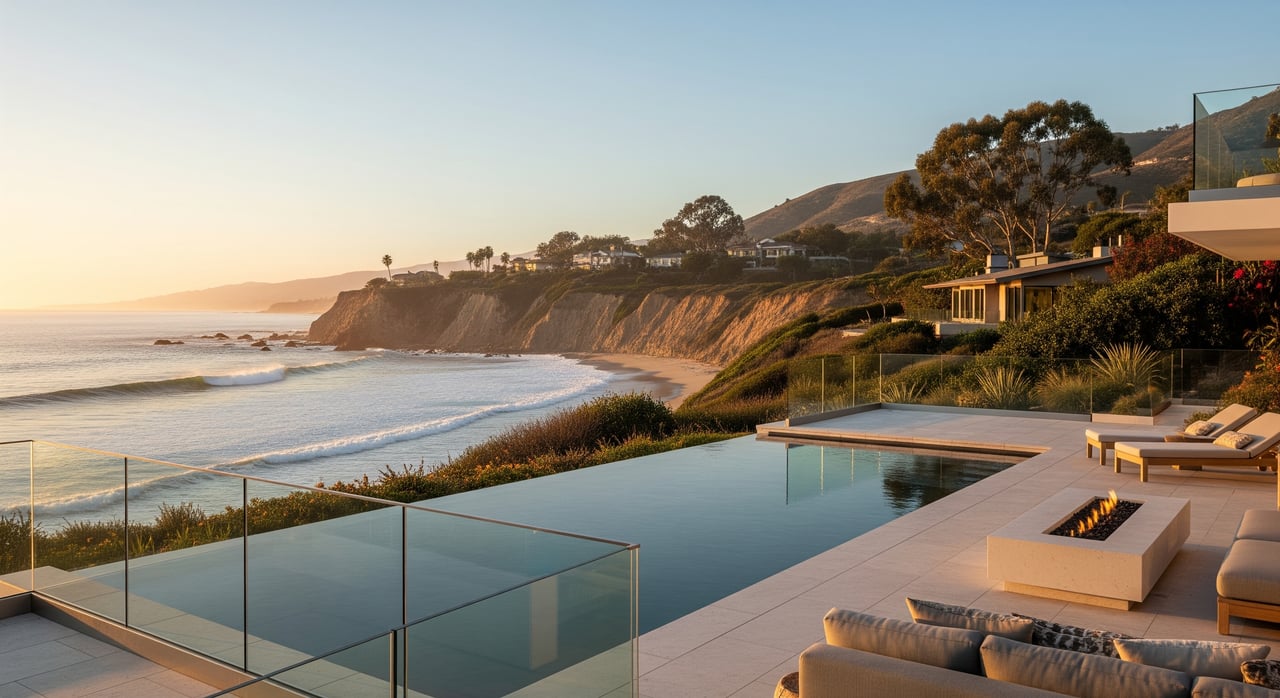
For oceanfront homes, the view is often the main value driver. Unobstructed, private, panoramic ocean views with strong sunset lines can command a significant premium. Orientation, elevation, and any foreground elements matter. The long-term stability of your view is also important because local planning and design review can limit what is built in view corridors.
Beach access and usability
How you reach the sand influences pricing. Direct beachfront typically trades differently than bluff-top with steep or limited access. Private stairways, lateral access, and proximity to public access points shape buyer demand. Access that is easy and clear tends to support stronger pricing.
Coastal microclimate appeal
On the coast, you get cooler summer days, ocean breezes, and smaller temperature swings. Many buyers prefer this stable, coastal feel for year-round comfort. That lifestyle factor often supports higher prices when paired with strong views and access.
Coastal risk and permitting
Oceanfront properties face hazards such as bluff erosion, coastal retreat, and storm run-up. Flood zones can affect insurance and mortgages. Coastal Development Permits, bluff setback lines, and stricter renovation rules influence what you can improve. These constraints and costs factor into price and buyer confidence.
Market liquidity and uniqueness
High-end oceanfront homes are unique and sell infrequently. With fewer direct comparables, pricing relies on close matches for view, access, risk, and condition rather than simple averages.
What drives canyon value
Land, privacy, and sun
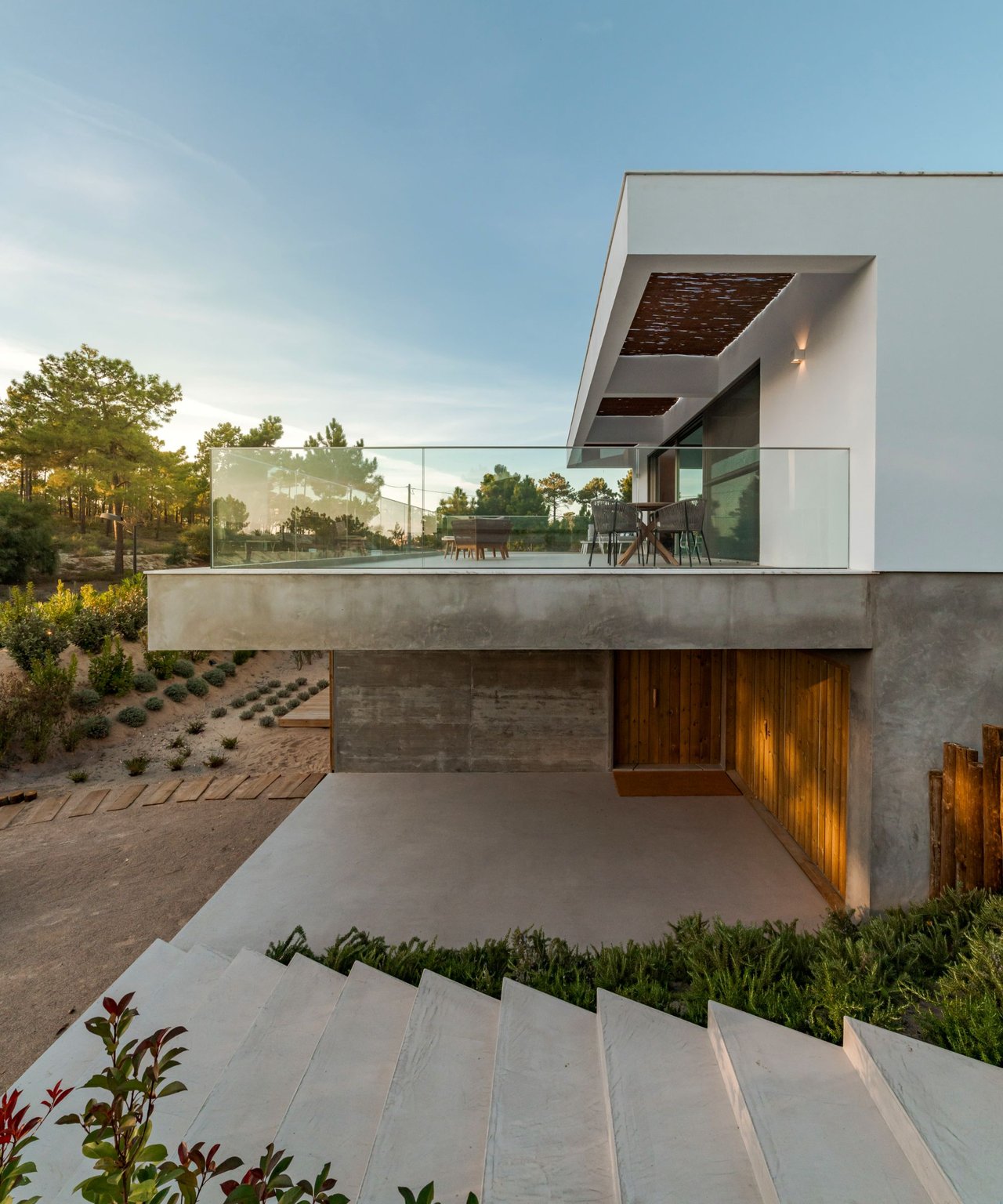
Canyon homes often offer larger lots, usable outdoor areas, gardens, and a warmer, sunnier microclimate. Buyers focused on privacy, space, and estate living may accept less ocean proximity in exchange for these features.
Wildfire risk profile
Many canyons fall within high or very high fire hazard zones. Insurance costs, mitigation needs, and lending scrutiny can affect both pricing and time to sell. Homes with documented mitigation and clear defensible space can present a stronger value story.
Access and lifestyle
Canyons trade on seclusion and a calmer setting. Driveway privacy, parking, and road access matter for daily living. Buyers often evaluate the convenience of reaching the beach, shops, and services relative to the benefits of space and privacy.
Market liquidity and comparables
Canyon properties vary widely in lot size, topography, and architecture. Finding comps that match land usability and privacy is just as critical as matching square footage.
How to price your Malibu home
Segment the property first
- Oceanfront: beachfront or bluff-top with direct coastal exposure.
- Ocean-view hillside: inland with substantial ocean views.
- Canyon: inland ridges and valleys with privacy and land as primary features.
Prioritize comps within the same segment before crossing segments with careful adjustments.
Select comparables that truly match
Focus on 3 to 6 of the best comps within the last 12 to 36 months. Rank by:
- View quality and permanence.
- Beach access type and ease.
- Physical risk profile, including bluff or flood exposure.
- Lot size and usable outdoor living space.
- Condition and amenities, such as pools and guesthouses.
- Privacy, driveway, and overall access.
- Recency of sale.
Make thoughtful adjustments
- View premium: use a simple A, B, C scale for view quality. Derive price differences from paired sales when possible and document your reasoning.
- Access: adjust for direct sand access versus a long walk to public access with limited parking.
- Risk and entitlements: account for bluff setbacks, erosion, flood zones, or recently secured permits that de-risk future work.
- Size and amenities: apply market-based adjustments for extra rooms and features, noting that price per square foot can be less predictive in the luxury tier.
- Condition: itemize renovation-level differences for kitchens, baths, systems, and structural upgrades.
Handle scarce data with ranges
When comps are limited, present a value range instead of a single number. Use sensitivity scenarios to show likely outcomes at the top, middle, and bottom of the range. Document uncertainty and what would tighten the range, such as a bluff stability report or updated insurance quotes.
Read days-on-market signals
Use days-on-market (DOM) as a quick market response guide:
- Under 30 days: strong demand and market-right pricing. Competitive bids are more likely.
- 30 to 90 days: typical absorption for well-priced luxury homes in constrained-supply niches.
- 90 to 180 days: usually indicates price above buyer expectations or unresolved condition or title issues.
- Over 180 days or relisted: often signals a needed price repositioning or a mismatch with the buyer pool.
Buyer profiles to expect
Oceanfront buyer mindset
- Lifestyle luxury buyers value immediate beach access and turnkey condition.
- Second-home and status buyers often prioritize views and privacy, sometimes with less focus on financing constraints.
- Investor buyers may consider rental potential, subject to local rules that can restrict short-term rentals.
Pricing takeaway: Emphasize view permanence, direct access, and the coastal microclimate. Buyers may show lower price sensitivity when these attributes are exceptional.
Canyon buyer mindset
- Estate and privacy seekers want acreage, gardens, and usable outdoor areas.
- Full-time residents often prioritize interior space and flexible layouts.
- Some buyers prefer perceived distance from coastal flood or erosion risks.
Pricing takeaway: Showcase land usability, privacy, and wildfire mitigation. Value builds around livability and confidence in risk management.
Cross-over buyers
Some buyers compare oceanfront and canyon options side by side. To reach them, communicate the tradeoffs clearly. Frame pricing around panoramic views and access versus land, privacy, and sun.
Pre-listing checklist to protect price
- Verify boundaries and easements with a recent survey and recorded documents, including any coastal access rights.
- Order environmental and hazard reports as needed. For oceanfront, consider geological and bluff stability evaluations. For canyons, document defensible space and mitigation.
- Confirm flood zone status and gather preliminary insurance quotes for hazards relevant to the property.
- Review permits, building setbacks, and any pending code issues. For bluff-top, understand coastal setback lines and development path.
- If oceanfront, consult a coastal engineer on bluff stability and projected setbacks. This can increase buyer confidence and support pricing.
Pricing strategies in a tight market
- Conservative: List slightly below the expected range to encourage multiple offers when buyer demand is strong for your niche.
- Market-aligned: List in the middle of the supported range with targeted marketing that matches the buyer profile and expected DOM.
- Aggressive: List near the top of the range only when your attributes are truly exceptional and defensible, and supply is limited.
Final thoughts
Your best price in Malibu starts with an honest read of view, access, microclimate, and risk, then a tight set of comps that mirror those traits. Oceanfront and canyon homes attract different buyers and different sensitivities to risk and lifestyle. When you price with transparency, you shorten time on market and build negotiating power.
If you want a data-informed price range and a strategy tailored to your home, reach out. You will get a clear comp set, expected DOM scenarios, and a marketing plan shaped to your buyer. Connect with Aziza El Wanni to get started.
FAQs
How do beachfront and bluff-top prices differ in Malibu?
- Beachfront often carries a premium for direct sand access, while bluff-top pricing depends on stair access, bluff stability, and setback constraints.
What is the microclimate difference between oceanfront and canyon homes?
- Oceanfront areas tend to have cooler days and smaller temperature swings, while canyons are warmer and sunnier with more variation, which affects lifestyle preferences and price.
How do I evaluate the permanence of my ocean view?
- Consider orientation, elevation, and nearby development potential within view corridors. Local planning and design review can limit future obstructions.
How does wildfire risk affect canyon home pricing?
- High fire hazard designations can influence insurance costs and lending. Documented mitigation and defensible space can improve buyer confidence and value.
What does days on market tell me about my list price?
- Under 30 days often signals strong demand and market-right pricing. Longer periods may indicate an overreach in price or unresolved property issues.
What pre-listing reports help oceanfront sellers most?
- Geological or coastal engineer reviews for bluff stability, flood zone verification, and updated insurance quotes can reduce uncertainty and support pricing.