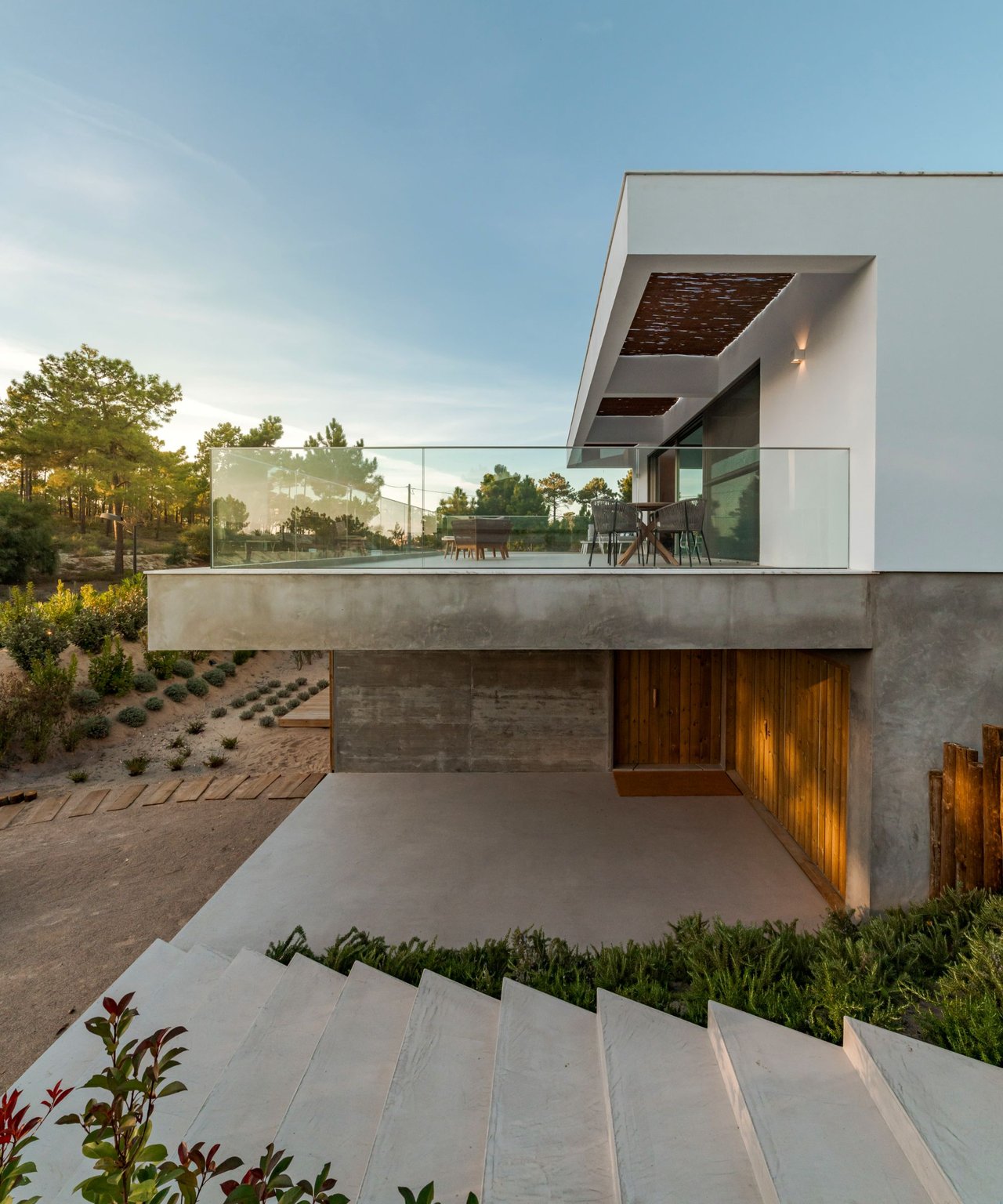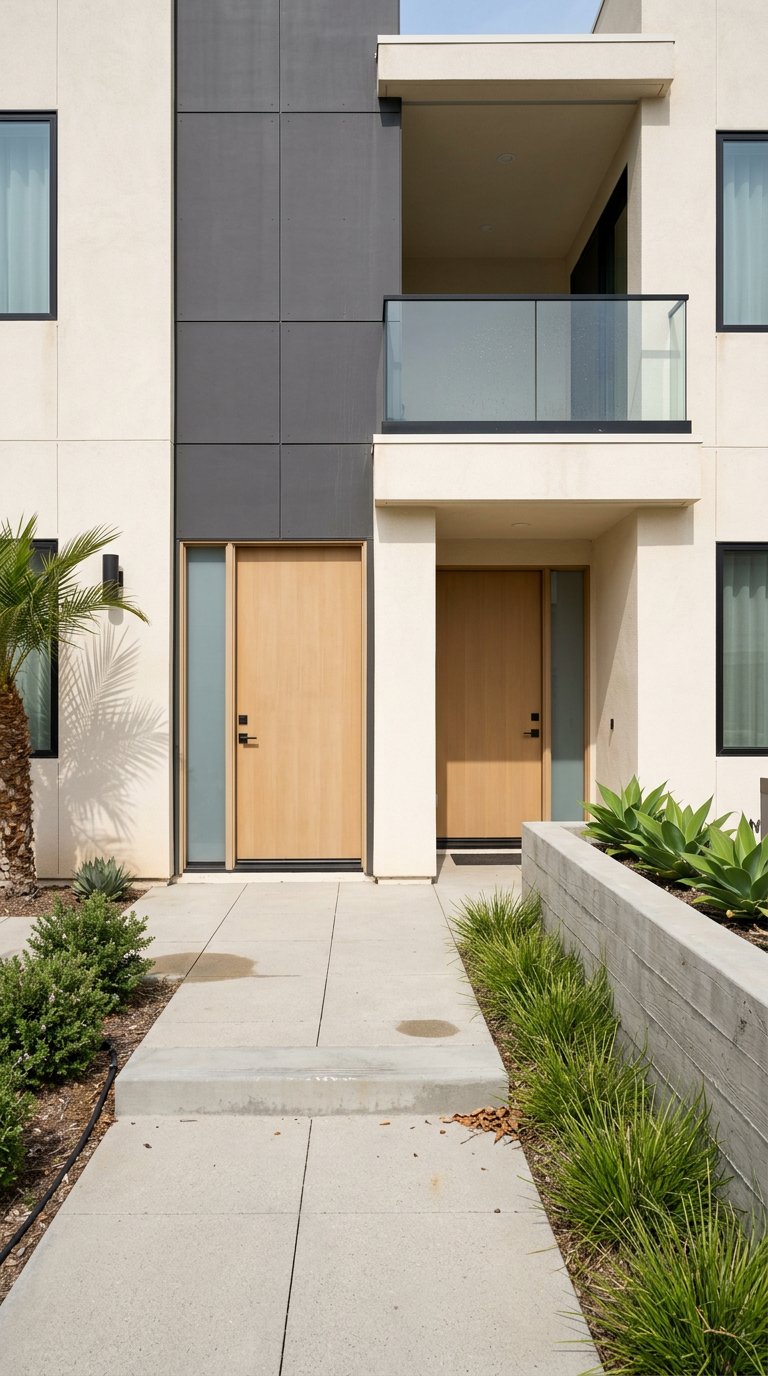
Are you torn between a sleek Marina del Rey condo and a townhome with a private garage? You are not alone. On the Westside waterfront, both choices deliver sunshine and convenience, yet the fine print on ownership, HOA dues, maintenance, and resale can feel complex. In this guide, you will get a clear, side‑by‑side understanding of how condos and townhomes work in California, what typical costs look like in Marina del Rey, and how to match the lifestyle and financial details to your goals. Let’s dive in.
What “condo” vs “townhome” really means in California
Buying here is about more than the building vibe. It is about the legal form of ownership and who manages what.
- A condominium is a legal form of ownership. You own your unit’s interior airspace and share the common areas with other owners. California treats condos as Common Interest Developments governed by the Davis–Stirling Act. You will see rules and budgets set by an HOA. You can review the state’s guidance in the California Department of Real Estate’s Residential Subdivisions guide for clarity on disclosures and association operations. Read the DRE overview.
- A townhouse is a style of home. It typically has multiple stories and a private entry. A townhome can be recorded as a condo or as fee‑simple ownership inside a planned development. The recorded map and CC&Rs control the actual rights and duties. That is why you always confirm how the project is recorded before you assume maintenance or insurance rules. See the same DRE guidance.
- “Exclusive use common area” includes things like balconies, patios, and assigned parking. It belongs to the association but is set aside for your use. The Civil Code defines these spaces and how responsibilities can be allocated. Review Civil Code §4145.
HOA life and costs in Marina del Rey
Typical monthly dues
In Marina del Rey, HOA dues vary by location, age, and amenities. As of early 2026, here is what you will often see in local listings:
- Full‑service waterfront condo towers with amenities like concierge, valet, pool, and gym often report HOA dues in the roughly 1,500 to 2,500 dollars per month range, with larger or view units on the higher end.
- Some complexes on leased land, such as Marina City Club, show a combined monthly obligation that includes HOA dues plus ground rent. That combined figure commonly falls around 1,500 to 1,900 dollars per month, depending on unit and listing specifics.
- Townhome communities and garden‑style complexes in the area more often post lower monthly HOA dues, commonly about 400 to 800 dollars per month, while still covering shared amenities like landscaping and pools.
These figures come from representative listings and can shift by building, unit size, and what the dues include. Always verify the current budget and dues history in the HOA documents.
What dues usually cover
- Full‑service condo towers often include building exterior maintenance, common‑area upkeep, water, trash, some utilities, cable or internet packages, amenities, and sometimes earthquake coverage under the association’s master policy. Townhome HOAs typically cover landscaping, common‑area amenities, and may maintain parts of the exterior, depending on the CC&Rs.
- The only way to know for sure is to read the current budget, reserve study, CC&Rs, and the master insurance certificate. California’s Davis–Stirling framework requires associations to prepare annual budgets and reserve disclosures. Review DRE guidance on HOA budgeting and reserves.
Budgets, reserves, and special assessments
Associations plan for long‑term repairs through reserves. They can also levy special assessments for major projects. Before you offer, request the latest budget, reserve study, and 12 months of meeting minutes to spot any planned capital work or pending assessments. DRE’s guide explains these disclosure basics.
Ground leases: a special Marina factor
Parts of Marina del Rey sit on county‑leased land. In those buildings, monthly ground rent is separate from HOA dues and can affect your total carrying cost, loan options, and long‑term resale. If the property sits on leased land, obtain the full ground‑lease document, confirm the expiration date, any rent escalators, and ask your lender how they underwrite that building type. This is a key difference to evaluate early.
Maintenance and insurance: who fixes what
Maintenance responsibilities under Civil Code
California law typically assigns the association to maintain and repair common areas, except exclusive‑use areas, while owners handle their separate interest interiors and any exclusive‑use elements tied to their unit. The CC&Rs can adjust these defaults, so do not assume. Look closely at how the declaration treats the roof, exterior walls, balconies, patios, plumbing stacks, and windows. See Civil Code §4775 for the default rule. Also reference the definition of exclusive‑use spaces in Civil Code §4145.
Your insurance mix
The association’s master policy usually covers the building structure and common areas, along with association liability. You still need an HO‑6 policy for your interiors, personal property, personal liability, and loss‑assessment coverage. Policies differ by what the master policy includes, often described as “bare‑walls” or “all‑in.” Ask the HOA for the current master‑policy summary and certificates, then have your insurance agent tailor the HO‑6 to match any gaps. Learn the condo insurance basics.
Lifestyle: privacy, space, and parking
What a condo feels like
High‑rise and mid‑rise condos give you elevators, on‑site amenities, and often a social environment. You typically share walls and floors with neighbors, and you access your home from a shared hallway. Parking could be assigned spaces, tandem spots, or valet, depending on the building. Balconies or roof decks are common, and maintenance outside your front door is generally lighter for you.
What a townhome feels like
Townhomes often feel closer to single‑family living. You may get a private, ground‑level entry, a direct‑access garage, and a bit more privacy. Many townhome communities include patios or small yards that expand your living space. There is still an HOA and shared rules, but the day‑to‑day experience can be quieter and more independent.
Outdoor space and parking differences
- Condos: balconies, shared courtyards or roof terraces, and secured parking, sometimes with valet service in full‑amenity towers.
- Townhomes: larger private patios or small yards are more common, along with a private two‑car garage in many communities.
Resale factors in Marina del Rey
Market snapshot as of early 2026
Neighborhood data providers report different median price figures by property type. As of early 2026, platform summaries for Marina del Rey indicate median condo prices around the low‑to‑mid seven figures, with some services noting condos near 1.25 million dollars and townhomes trending higher. Use these as broad indicators only. Final value depends on exact location, views, updates, and building dynamics. Always compare recent closed sales for your specific community.
Amenities and the waterfront premium
Proximity to the marina, water or city views, and building amenities are major value drivers. Larger floor plans and full‑service towers often command a premium and can attract seasonal owners and downsizers who value security and convenience. That premium can affect both price and how quickly similar units resell.
Building age, reserves, and lender fit
Older buildings with deferred projects can face higher special assessments or underwriting challenges. Lenders often review HOA reserves, owner‑occupancy ratios, insurance, and litigation. Ask your lender early which documents they need to approve the building. A Davis–Stirling summary can help you understand common HOA requirements. See a Davis–Stirling Act summary.
Flood and coastal policy checks
Marina del Rey sits at low elevation near the harbor. Coastal planning and sea‑level adaptation are active topics for the county and state. For any specific address, confirm the FEMA flood designation and whether your lender will require flood insurance. You can also follow local planning context through the county’s Marina pages. Explore LA County Beaches & Harbors updates.
Short‑term rental rules and investor demand
Marina del Rey is in unincorporated Los Angeles County, which moved in 2024 to restrict short‑term rentals to primary‑residence hosts with registration and enforcement. Coastal implementation can vary, and HOA rules may be stricter than county rules. Confirm current county rules, HOA rental caps, and any Coastal Commission considerations before you buy with rental plans in mind. Read coverage of the County’s action.
Quick decision guide
Choose a condo if you want:
- Full‑service living with amenities like concierge, valet, and fitness centers.
- Lower personal maintenance outside your unit and a turn‑key lifestyle.
- Lock‑and‑leave peace of mind if you travel often.
Choose a townhome if you want:
- A private entry, direct‑access garage, and a more residential feel.
- More outdoor space, like a patio or small yard.
- Typically lower HOA dues than full‑service towers, with some tradeoffs in amenities.
Marina del Rey buyer checklist
Use this to compare two or three favorite properties side by side.
- Confirm the legal form of ownership. Is it recorded as a condominium plan or as fee‑simple lots inside a planned development? Request the condo map or parcel description. See DRE guidance on CIDs and disclosures.
- Request the full HOA packet: CC&Rs, bylaws, budget, reserve study, master insurance summary and certificates, and the last 12 months of meeting minutes. DRE’s guide explains required disclosures.
- Clarify maintenance duties. Who maintains the roof, exterior walls, balconies, patios, windows, and plumbing stacks? Compare the CC&Rs to California’s default rules. Review Civil Code §4775.
- Verify current HOA dues, what they include, and recent dues history. Look for earthquake insurance on the master policy and any included utilities.
- If on leased land, obtain the ground‑lease, note expiration and rent escalators, and ask your lender about underwriting.
- For coastal risk, check FEMA flood maps and consider an elevation certificate if relevant. Review local sea‑level planning context. Start with the County’s Marina resources.
- Confirm rental rules. Check HOA rental caps and unincorporated LA County short‑term rental restrictions for primary‑residence hosts. See recent LA Times coverage.
- Ask your lender what they require. Many lenders review reserves, owner‑occupancy ratios, insurance, and litigation. Reference a Davis–Stirling overview.
- Fit your insurance to the master policy. Confirm whether the HOA is bare‑walls or all‑in and add an HO‑6 with loss‑assessment coverage if appropriate. Learn HO‑6 basics.
Ready to compare homes?
If you want help narrowing the choice to the best buildings and floor plans for your lifestyle, reach out. Our team will line up tours, share community insights, and help you read the HOA documents with confidence. Connect with Aziza El Wanni to get a curated shortlist and a smooth path from first look to closing.
FAQs
What is the difference between a condo and a townhome in California?
- A condo is a legal ownership form inside a common‑interest community, while a townhome is a building style that can be recorded as a condo or as fee‑simple ownership; always verify the recorded map and CC&Rs using state guidance like the DRE’s subdivision overview.
How much are HOA fees in Marina del Rey condos and townhomes?
- As of early 2026, many full‑service towers report about 1,500 to 2,500 dollars per month, leased‑land buildings may add ground rent to HOA dues, and many townhome communities report about 400 to 800 dollars per month, depending on amenities and inclusions.
What does HOA earthquake insurance mean for my policy?
- If the HOA carries earthquake coverage on the master policy, it typically protects the structure and common areas, but you still need an HO‑6 for interiors, belongings, liability, and loss‑assessment coverage; align your policy with the master policy type. See HO‑6 basics.
Are short‑term rentals allowed in Marina del Rey?
- Marina del Rey is in unincorporated LA County, which moved in 2024 to restrict short‑term rentals to primary‑residence hosts with registration; always confirm current county rules and any stricter HOA limits. Read LA Times coverage.
Should I worry about flood risk near the marina?
- Flood designations are address‑specific; check FEMA maps, consider an elevation certificate, ask your lender about requirements, and review local coastal planning resources. Start with LA County Beaches & Harbors.