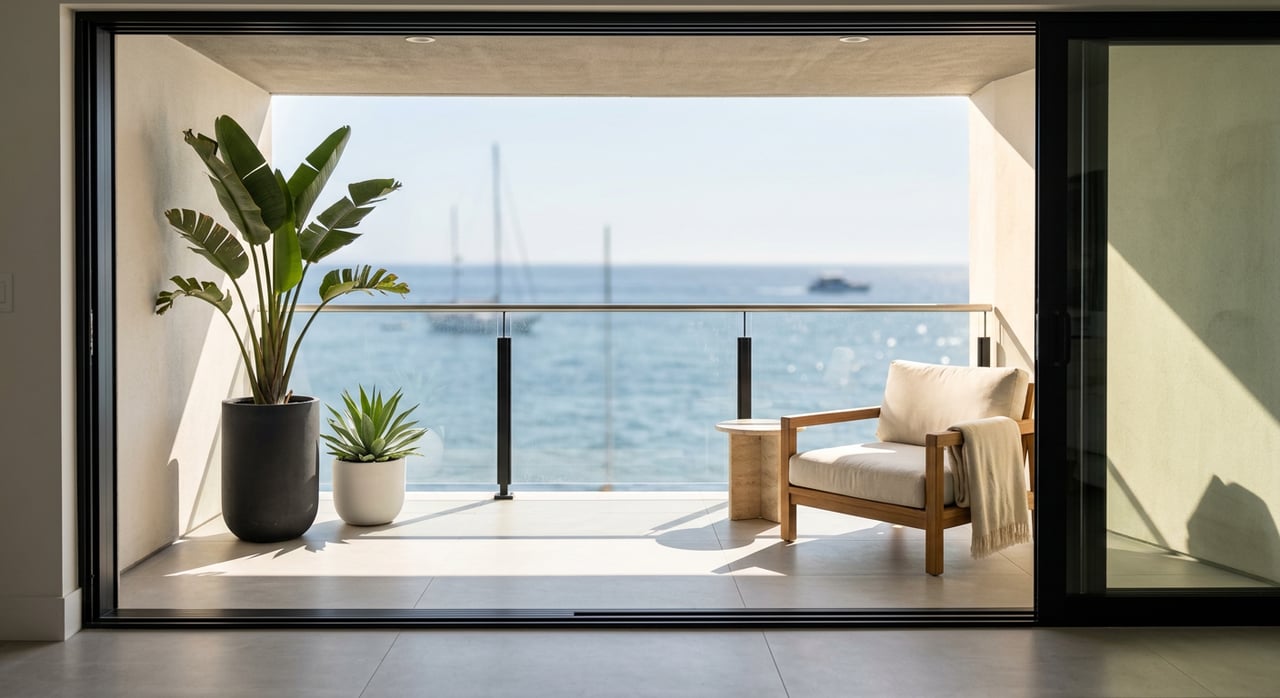
Imagine stepping out your front door to the sound of halyards tapping and the glow of sunrise on calm water. You want a home where errands, coffee, and an after‑work paddle fit into a simple, walkable routine. This guide shows you how everyday waterfront living works in Marina del Rey, from morning rituals and boating access to costs, risks, and smart buyer steps. Let’s dive in.
What Marina del Rey is
Marina del Rey is a waterfront community on Los Angeles’ Westside built around a man‑made small‑craft harbor in the 1950s and 1960s. The harbor’s scale shapes daily life here. County resources document roughly 4,600+ boat slips across more than twenty anchorages, which makes on‑water activity part of the normal rhythm for many residents. You also see county stewardship throughout the marina zone, since Los Angeles County manages the harbor area and many related services.
- Learn about the area’s mid‑century planning and development through the Los Angeles Conservancy’s overview of Marina del Rey’s history.
- See the county’s summary of anchorages and boat slips to understand how the harbor is organized and managed.
Morning waterfront rhythms
If you like to start the day outside, you’ll use the promenade paths, Burton Chace Park, and the coastal bike path often. The Marvin Braude Coastal Bike Trail runs 22 miles along the shoreline and passes right through the marina, connecting you to Santa Monica to the north and the South Bay to the south. You can roll out for a short spin or a slow harbor walk with coffee and be back at your desk in minutes.
- Browse local routes, parks, and programs on the tourism board’s guide to things to do in Marina del Rey.
Getting on the water
Living in Marina del Rey makes regular paddling and sailing practical, even if you don’t own a boat. Your options range from private slip arrangements to flexible rentals and lessons.
Boat slips for owners and buyers
Slips are plentiful here, but they are not managed by a single office. Each anchorage or marina has its own dockmaster and rules. If you are buying a condo or townhome, confirm whether the home includes a slip, has leased access, or requires a separate waitlist. The county’s page on anchorages and boat slips points you to individual dockmasters for availability, transfer rules, and fees.
Easy rentals and lessons
You can keep your routine light with rentals and classes. The UCLA Marina Aquatic Center offers lessons, youth programs, and equipment rentals for kayaking, stand‑up paddle, and sailing. That makes a quick morning paddle or a weekend sail realistic without owning gear. Explore current offerings at the UCLA Marina Aquatic Center.
Short hops by WaterBus
In summer, the Marina del Rey WaterBus connects multiple stops around the harbor. It is a simple way to reach an event at Burton Chace Park, meet friends at a pier, or enjoy a car‑free evening ride. Schedules vary by season, so check the latest details before you go on the WaterBus updates page.
Eating, shopping, and weekly rhythms
Daily errands are easy in the marina core. You’ll find grocery, cafes, fitness, and services in compact clusters, plus a mix of casual and white‑tablecloth waterfront dining. Weekend life has a set beat: a farmers market near Mother’s Beach, summer concerts at Burton Chace Park, and festive holiday events like the boat parade and fireworks. Those big nights bring energy and some traffic, so plan your routes and parking.
- For a broad view of parks, events, and seasonal happenings, start with this Marina del Rey activities guide.
Housing types and lifestyle pockets
Marina del Rey is diverse in housing style and feel. Most homes are mid‑rise and high‑rise condos, with townhome pockets and a limited number of single‑family homes in premium areas like the Silver Strand and parts of the Marina Peninsula. You will also find distinct sub‑neighborhoods such as Oxford Triangle and walkable marina‑front clusters near the harbor’s edge. Prices vary widely by building, view, and micro‑location, so it helps to compare by submarket rather than looking for a single area‑wide median.
What does that mean for you day to day? In high‑amenity towers, your routine might include a quick gym session before a harbor walk. In a townhome near the Strand, you might choose a quiet residential feel with easy beach access. Your agent can help match your lifestyle to the right pocket and building rules.
What it costs to carry
Owning in Marina del Rey has a few recurring costs to plan for, especially in buildings with resort‑style amenities and if your home involves marina access.
HOA dues and amenities
Many larger communities include pools, gyms, concierge or valet, tennis or pickleball courts, and on‑site services. Dues reflect those amenities and can vary by building and unit size. When you review a property, look closely at dues, what they include, and any upcoming capital projects that could change your monthly costs.
Property taxes
California’s Proposition 13 sets a base 1 percent tax on assessed value, and most properties also carry voter‑approved local assessments. Your effective rate is usually higher than 1 percent and depends on the tax rate area for the parcel. For a clear explanation of how county property taxes work, see the Los Angeles County Auditor‑Controller’s property tax FAQ.
Insurance and HOA documents
If a property sits in a FEMA high‑risk flood zone or has a history of local flooding, a lender may require flood insurance. It is smart to pull the FEMA map and get a quote early. Just as important, review the HOA’s insurance schedule, reserves, and CC&Rs for any marina‑specific rules such as slip transfers, guest dock policies, or quiet hours.
- Check your flood zone and mapping layers at FEMA’s Flood Map Service Center.
Water quality and coastal risk
Marina del Rey’s calm basins and Mother’s Beach are popular for paddling and family time, but water quality can vary after storms or specific incidents. Before swimming or planning family beach days, check Heal the Bay’s Beach Report Card and county health advisories. Get a baseline with Heal the Bay’s overview of problem beaches and water quality, and verify current conditions with local advisories before you go.
Sea‑level rise and coastal flooding are longer‑term considerations. Use NOAA’s Sea Level Rise Viewer to understand broad scenarios for the area, then evaluate specific parcels during due diligence. Nearby environmental projects, like the ongoing planning process for the Ballona Wetlands restoration, may also affect regional flood control and access in the years ahead, so it is worth staying informed.
- Visualize coastal scenarios in NOAA’s Sea Level Rise Viewer.
- Track restoration planning and updates for the Ballona Wetlands via the state’s CEQA project page.
Commuting and local mobility
You are positioned along the Westside corridor, about 4 to 5 miles from LAX and Santa Monica depending on route. That proximity is a major advantage for frequent flyers and Westside commuters. Several bus lines serve the area, and the coastal bike path gives you a direct, scenic north‑south alternative. On event days and summer weekends, plan extra time for rideshare pickups and detours around marina closures.
Quick buyer checklist
Use this short list to evaluate any waterfront condo or townhome in Marina del Rey:
- Boat access: Confirm whether the home includes a slip, offers leased access, or requires a separate waitlist. Contact the appropriate dockmaster noted on the county’s page for anchorages and boat slips.
- Flood and sea‑level checks: Pull parcel details on FEMA’s Flood Map Service Center and compare with NOAA’s Sea Level Rise Viewer. Ask for a flood insurance quote if applicable.
- HOA health: Review CC&Rs, reserve studies, budget, insurance coverage, and any special assessments. Ask specifically about marina rules like slip transfers and guest dock use.
- Water quality: If swimming or family beach days are important to you, verify current advisories and historical patterns using Heal the Bay’s Beach Report resources.
- Noise and traffic: Visit at key hours. Note weekend event traffic, summer concerts at Burton Chace Park, and seasonal fireworks.
Is Marina del Rey right for you?
If you value being close to the water every day, Marina del Rey delivers a rare mix: walkable harbor paths, flexible on‑water options, and a steady calendar of community events. Your routine can be as active or as laid‑back as you want, whether that means a sunrise ride on the bike path, a quick paddle before dinner, or meeting friends by boat for a summer concert. With the right home and clear due diligence on slips, HOA health, and coastal risks, everyday waterfront living here feels both easy and rewarding.
When you are ready to explore buildings, compare sub‑neighborhoods, or arrange private tours, connect with a local specialist who understands the marina at a parcel‑by‑parcel level. For white‑glove guidance and curated options, reach out to Aziza El Wanni.
FAQs
What does a typical day look like if I don’t own a boat?
- You can walk the marina paths, bike the coastal trail, and rent kayaks or SUPs at the UCLA Marina Aquatic Center, then grab waterfront dining and run errands nearby.
How do boat slips work when buying a condo or townhome in Marina del Rey?
- Slips are managed by individual marinas, so confirm whether a unit includes a slip, has leased access, or needs a waitlist, and verify details with the county’s anchorages and dockmaster contacts.
Are there yacht clubs or social clubs I can join?
- Yes. Organizations like the California Yacht Club offer racing, junior programs, and social events that make it easy to meet neighbors and stay active on the water.
What should I know about property taxes here?
- Property taxes follow California’s Prop 13 framework with a 1 percent base plus local assessments; your effective rate varies by parcel, so review the county’s property tax FAQ and the home’s recent tax bill.
Is the water safe for swimming at Mother’s Beach year‑round?
- Conditions can change after storms or specific incidents; check Heal the Bay’s Beach Report resources and county advisories before planning a swim.
How can I check flood or sea‑level risks for a specific address?
- Start with FEMA’s Flood Map Service Center and NOAA’s Sea Level Rise Viewer, then review HOA and property disclosures during due diligence.