Wondering whether Malibu is better from the sand or from the hills? It is a fair question, because in Malibu, the setting shapes nearly everything about how you live day to day. If you are trying to decide between direct beach access and elevated privacy with sweeping views, this guide will help you compare the tradeoffs clearly so you can focus your search with confidence. Let’s dive in.
Why Malibu Feels So Different
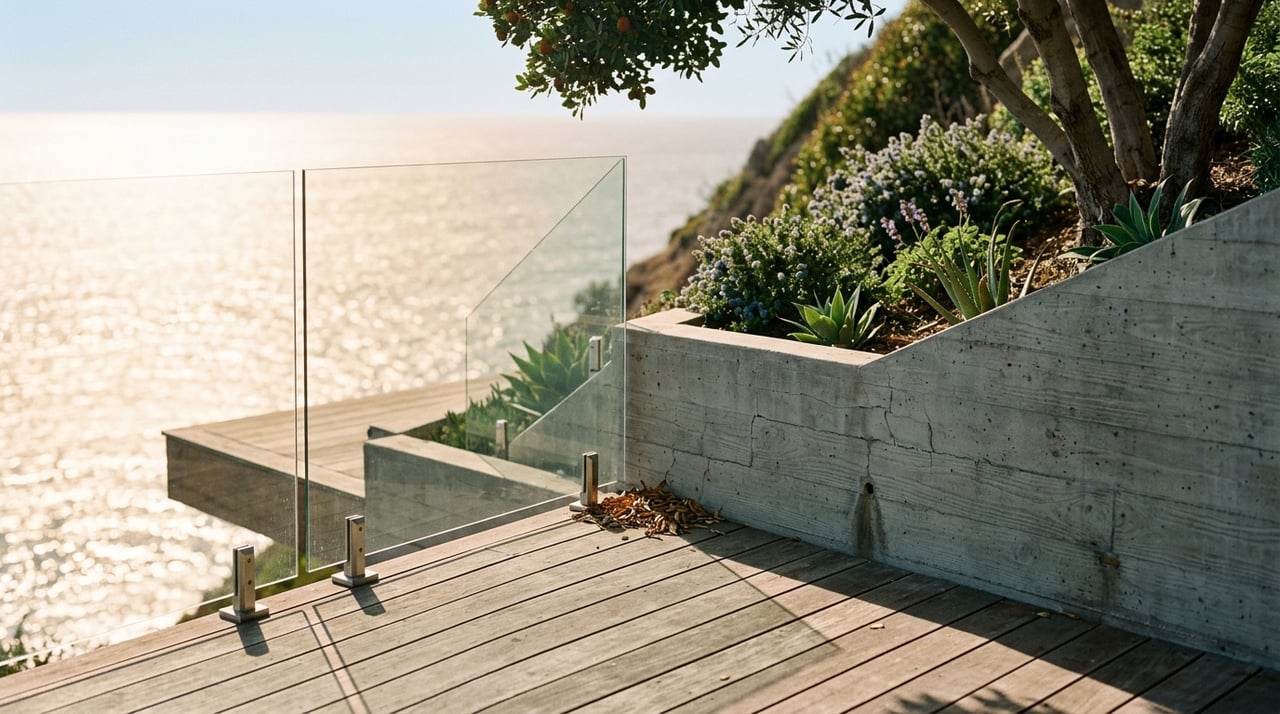
Malibu is defined by a dramatic landscape. The Santa Monica Mountains rise close to the ocean, leaving a narrow coastal plain in many areas, along with bluffs and deep canyons. That compressed geography is why beachfront and hillside homes can feel like two very different lifestyles, even within the same city.
It also matters that Malibu sits entirely within California’s coastal zone. Development throughout the city is subject to the City of Malibu’s certified Local Coastal Program, which can affect what is built, changed, or approved on a property. For buyers, that means location is not just a design choice or a view preference. It is also a planning and due diligence decision.
Beachfront Living in Malibu
Beachfront living offers the most immediate connection to the water. If your ideal Malibu experience includes stepping out toward the sand, hearing the surf throughout the day, and feeling immersed in the shoreline setting, this option delivers that better than anything else.
Malibu’s beach environment is active and highly visible. Much of the city’s 21-mile coastline can be seen from Pacific Coast Highway, and the city identifies numerous public beaches and access points along that corridor. Beach life here is part of a broader public setting, with county lifeguards serving an estimated 11 to 12 million beachgoers each year and the city adding summer Beach Team staffing to help with crowd control and parking enforcement.
What Buyers Often Love
Beachfront homes tend to appeal to buyers who want the strongest possible oceanfront lifestyle. The daily rhythm is tied closely to the shoreline, from sunrise views to easy beach walks and a constant sense of connection to Malibu’s coastal culture.
Architecturally, beachfront homes often reflect relaxed coastal living. Local examples highlighted in design coverage include California contemporary homes, midcentury beach houses, and bungalow-style properties with an easygoing, indoor-outdoor feel. If design matters to you, the beachfront side of Malibu often leans into that classic Southern California beach-house identity.
What to Consider Carefully
The same location that creates the lifestyle also creates the biggest tradeoffs. Beachfront homes are closest to Malibu’s documented coastal hazards, including sea-level rise, tidal inundation, storm flooding, and coastal erosion identified in the city’s Coastal Vulnerability Assessment.
Public access is another important part of the picture. In Malibu, beach access is not only a lifestyle feature. It is part of the regulatory framework. The city notes that some beaches are public and that access ways exist to many private beaches, while the California Coastal Commission explains that coastal development permits can require public access easements such as stairways, paths, bluff-top trails, and overlooks.
For some oceanfront projects, Malibu’s Local Coastal Program may require lateral or vertical public-access easements, especially when development affects public access. That does not mean every property is the same, but it does mean you should review permit history and site-specific access conditions before you commit.
Hillside Living in Malibu
Hillside living offers a very different version of Malibu. Instead of living directly on the beach corridor, you are living among bluffs, canyons, and mountain terrain that often opens to broad views of the coastline, Malibu Lagoon, or the Santa Monica Mountains.
For many buyers, the biggest draw is separation. While no two streets or parcels are identical, hillside homes often feel more removed from the public beach environment. If you want a quieter setting with a stronger sense of retreat, the hills may feel like the better fit.
What Buyers Often Love
Views are a major reason buyers choose the hills. Malibu’s inland topography creates sightlines that can stretch across the shoreline and mountains, and local trail systems in the Santa Monica Mountains also reflect that elevated vantage point. Many hillside homes are designed to capture that scenery with walls of glass, broad overhangs, and open layouts.
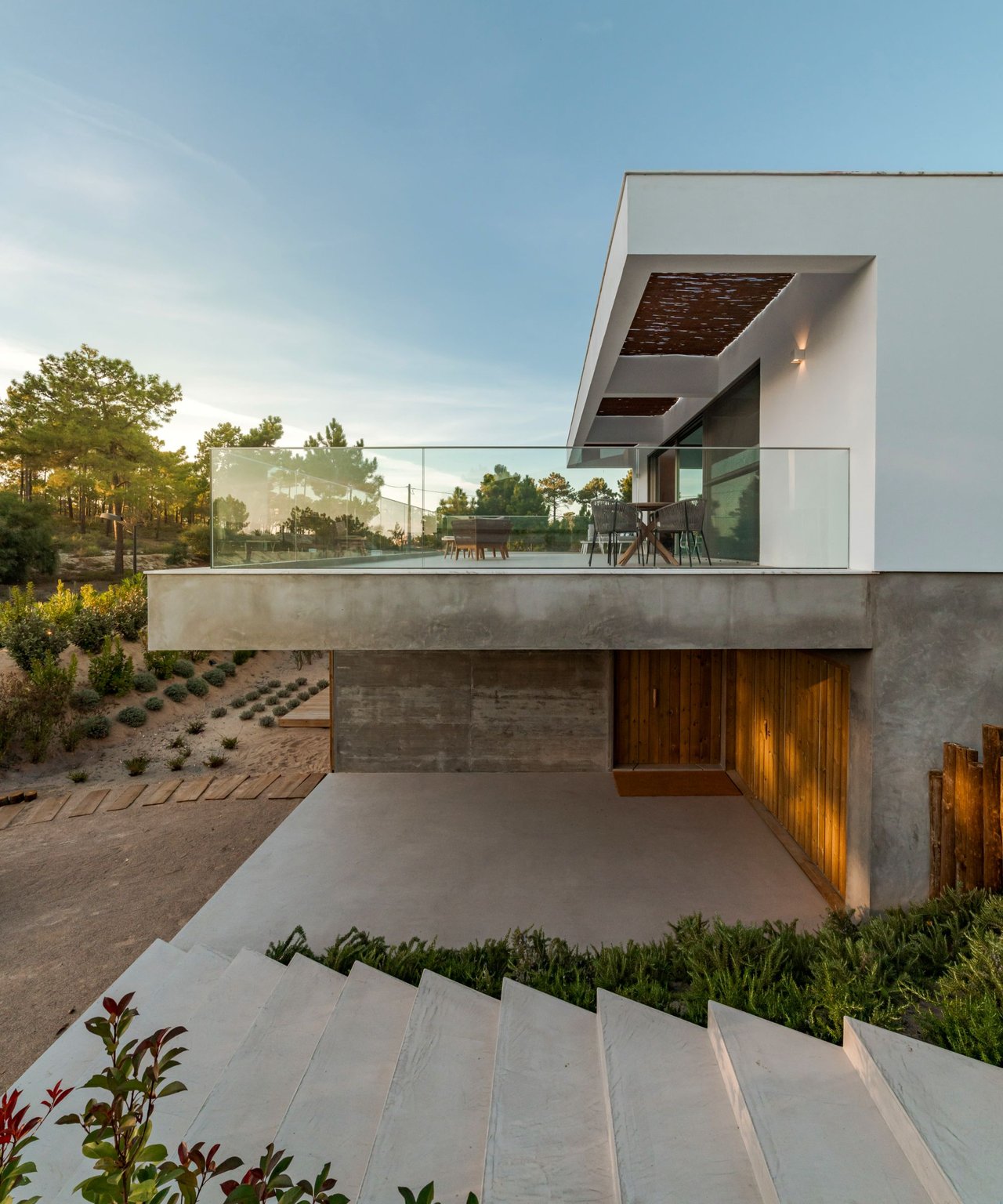
Architecturally, hillside Malibu often skews modern or highly custom, though the style mix is broad. Local examples include International Style homes, midcentury-modern cliff-top properties, and modern coastal residences with clean lines and strong indoor-outdoor flow. If you are drawn to contemporary design and dramatic siting, hillside homes can be especially compelling.
What to Consider Carefully
The tradeoff is convenience to the sand. You may still have beach access, but it is usually less immediate than stepping out from an oceanfront property. Daily life can also depend more heavily on canyon roads and Pacific Coast Highway for errands, appointments, and getting around.
Safety planning is also essential in hillside areas. Malibu reports that it experiences 7 to 8 Red Flag fire events each year during fire season, and the city notes that many homes are in the wildland-urban interface. It also warns that embers can travel more than a mile ahead of a fire.
After fire events, runoff can become a serious issue. Malibu’s post-fire flood maps warn that blocked storm drains and culverts can increase flood or mudflow risk in affected areas. If you are considering a hillside property, wildfire hardening, defensible space, and post-fire runoff exposure should all be part of your review.
Daily Life: Beach Corridor vs Hillside Routes
In Malibu, daily logistics matter more than many buyers expect. Pacific Coast Highway is the city’s main spine, and traffic patterns along it shape how quickly you move between home, errands, and the rest of Los Angeles.
The city has worked to improve traffic flow and safety through its PCH Signal Synchronization Project, which links 12 traffic signals between Topanga Canyon Boulevard and John Tyler Drive. The goal is to improve flow, regulate speeds, reduce congestion, and enhance safety. Even so, beach traffic and parking activity remain part of daily life, especially in busier seasons.
Beachfront Logistics
For beachfront owners, the issue is usually direct exposure to the busiest beach corridor. Malibu’s Beach Team specifically helps manage summer crowds, traffic, and parking near beaches and highways for residents and visitors. That can affect guest access, parking patterns, and how busy your immediate surroundings feel at different times of year.
The city’s parking study also found that almost 15% of collisions along PCH during the study period were related to parking and parking maneuvers. That is a useful reminder that roadway activity near the beach is not a small detail. It is part of the ownership experience.
Hillside Logistics
For hillside owners, route dependence is often the bigger issue. Malibu’s evacuation plan identifies Pacific Coast Highway in both directions, Kanan Road, Malibu Canyon Road, and Topanga Canyon Road as main evacuation routes, while noting that Decker Canyon Road is not a main route and that westbound PCH is generally preferable because of higher capacity.
That kind of route-specific planning matters in everyday life too. Some turns and access points can be time-sensitive or location-specific, which means your exact address can shape how convenient a home feels. A property with beautiful views may still require careful thought about drive times, access, and emergency planning.
Comparing the Malibu Lifestyle
If you are deciding between beachfront and hillside living, it helps to think less about which one is “better” and more about which one matches your priorities.
| Lifestyle Factor | Beachfront | Hillside |
|---|---|---|
| Access to sand | Most direct | Less immediate |
| Privacy feel | More exposure to public beach corridor | Often more separation |
| Views | Waterline and beach-focused | Broad ocean, canyon, and mountain views |
| Daily traffic impact | More tied to beach crowds and parking activity | More tied to canyon routes and PCH access |
| Main site concerns | Erosion, flooding, sea-level rise, access easements | Wildfire, defensible space, post-fire runoff |
| Common design feel | Coastal, bungalow, midcentury, California contemporary | Modern, custom, view-driven |
This comparison is not absolute, because each parcel is unique. Still, it reflects the major patterns created by Malibu’s geography, access rules, and transportation layout.
Due Diligence Before You Choose
In Malibu, setting-specific due diligence is essential. A home can be stunning and still require close review of planning, safety, and access details that may not be obvious during a first showing.
For beachfront properties, focus on items such as:
- Coastal development permit history
- Public-access easements
- Flood exposure
- Coastal erosion exposure
- Parking and guest access realities
For hillside properties, focus on items such as:
- Wildfire hardening features
- Defensible space
- Post-fire flood or mudflow exposure
- Primary and backup evacuation routes
- Road access and day-to-day route dependence
These are not minor boxes to check. Malibu’s own planning and safety pages make clear that both coastal and hillside ownership come with meaningful site-specific considerations.
Which Malibu Setting Fits You?
Beachfront Malibu tends to fit buyers who want the strongest connection to the sand and a home that feels woven into the beach lifestyle. If direct ocean access and a true shoreline experience are at the top of your list, beachfront may be the clearest match.
Hillside Malibu tends to fit buyers who want wider views, more separation from the public beach corridor, and stronger access to the mountains, canyons, and trails. If privacy, elevation, and design-forward architecture matter most, the hills may offer the lifestyle you are after.
The right choice usually comes down to how you want Malibu to feel when you wake up, come home, and move through your day. If you want expert help comparing specific properties, access considerations, and location tradeoffs, ARIA Properties can help you narrow the field with a clear, concierge-level strategy.
FAQs
What is the main difference between beachfront and hillside living in Malibu?
- Beachfront living offers the most direct sand access and closest connection to the shoreline, while hillside living often offers broader views, more separation from the public beach corridor, and greater reliance on canyon roads and PCH.
What should you check before buying a beachfront home in Malibu?
- You should review coastal development permit history, possible public-access easements, flood or erosion exposure, and how parking and guest access work in real life.
What should you check before buying a hillside home in Malibu?
- You should look closely at wildfire hardening, defensible space, post-fire runoff or mudflow risk, and the property’s main evacuation routes and access roads.
How does public beach access affect Malibu beachfront properties?
- In Malibu, public access can be part of the regulatory framework, and some coastal development permits may require access easements such as paths, stairways, bluff-top trails, or overlooks depending on the project.
How does traffic affect daily life in Malibu?
- Pacific Coast Highway is the main transportation spine, so beach traffic, parking activity, and route dependence can all affect convenience, safety, and travel times depending on where the home is located.
Is hillside Malibu usually more private than beachfront Malibu?
- Many hillside homes feel more private because they are more removed from the public beach corridor, though privacy varies by street, lot placement, and access patterns.